
Mapping the World Essentials – Season 5
Episodes
Episode 1
Episode 2
Episode 3
Episode 4
Episode 5
Episode 6
Episode 7
Episode 8
Episode 9
Episode 10
Episode 11
Episode 12
Episode 13
Episode 14
Episode 15
Episode 16
Episode 17
Episode 18
Episode 19
Episode 20
Episode 21
Episode 22
Episode 23
Episode 24
Episode 25
Episode 26
Episode 27
Episode 28
Episode 29
Episode 30
Episode 31
Episode 32
Episode 33
Episode 34
Episode 35
Episode 36
Episode 37
Episode 38
Episode 39
Episode 40
Episode 41
Episode 42
Episode 43
Episode 44
Episode 45
Episode 46
Episode 47
Episode 48
Episode 49
Episode 50
Episode 51
Episode 52
Episode 53
Episode 54
Episode 55
Episode 56
Episode 57
Episode 58
Episode 59
Episode 60
Episode 61
Episode 62
Episode 63
Episode 64
Episode 65
Episode 66
Episode 67
Episode 68
Episode 69
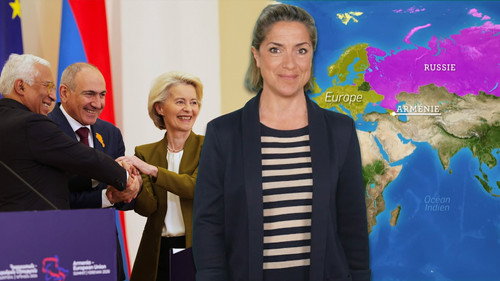
Armenia: A Decision for Europe?
Armenia is moving closer to Europe politically. The focus of the European Political Community meeting in Yerevan was the country's change of course: After decades of Russian dependence, the loss of Nagorno-Karabakh, and Moscow's lack of protection, Armenia has been increasingly seeking closer ties with the EU and new security policy perspectives since 2024.
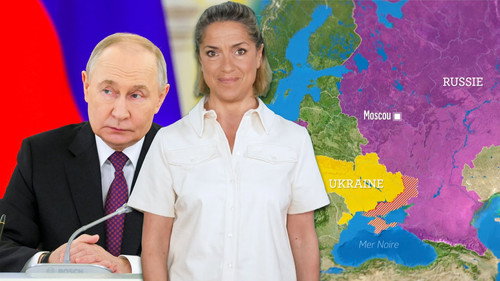
Russia: War weariness?
Traditionally, Moscow celebrates the end of World War II with a large military parade. But this year it will be smaller: The Kremlin fears Ukrainian drone attacks. Furthermore, there are increasing signs that Putin's Russia is coming under economic, social, and military pressure. A look at the maps.
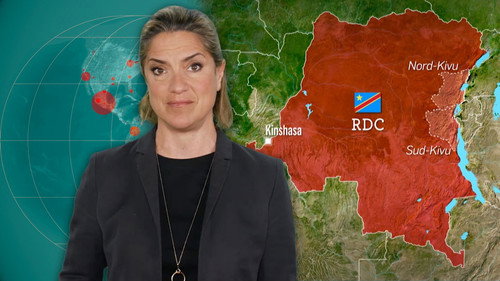
Eastern Congo: Resource Curse in Kivu
Democratic Republic of Congo: President Tshisekedi proposes postponing the presidential elections scheduled for 2028 if the conflict in the east of the country is not resolved by then. War has repeatedly broken out in the two provinces east of Kinshasa – North Kivu with its capital Goma and South Kivu with its capital Bukavu – for decades.
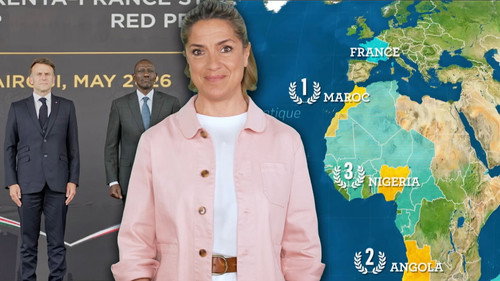
France and Africa: A New Strategy
French President Macron has chosen Kenya and its capital Nairobi, home to one of East Africa's largest metropolitan areas, for an Africa-France summit. The summit is intended to demonstrate that Paris is no longer focusing solely on its former colonies, but on the entire continent. France's post-colonial Africa policy is a thing of the past.
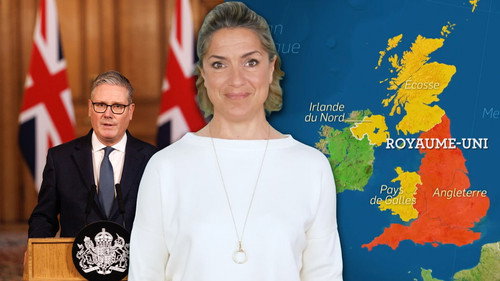
Great Britain: A Time of Divisions
The recent elections in Great Britain confirm the fragmentation of the political landscape. In the local elections, Reform UK came out on top, followed by the Labour Party, the Liberal Democrats, the Conservatives, and the Greens. This serves as a reminder that the United Kingdom is the result of a unique political construct.
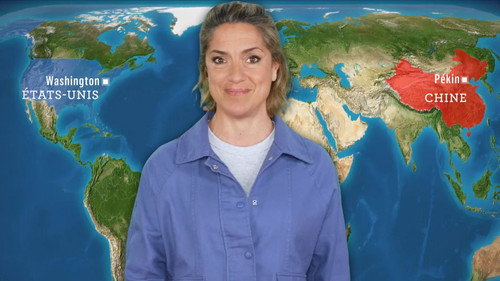
Trump and Xi: A Showdown
Given Donald Trump's chaotic governance, China likes to present itself as a neutral and stable state. However, this doesn't prevent the country from discreetly supporting Tehran and Russia, colonizing islands in the South China Sea, and advancing its military buildup. On the occasion of the meeting between Trump and Xi Jinping in Beijing: an assessment.
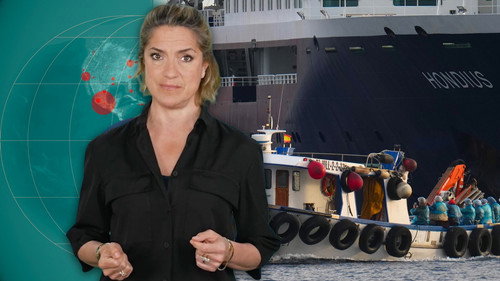
Hantavirus: Fear of a new pandemic?
The hantavirus outbreak on the "MV Hondius" is stirring up unpleasant memories. The passengers, who have since returned to their home countries, were all quarantined under more or less strict conditions. This shows how much fear this incident is triggering: the fear of a pandemic.
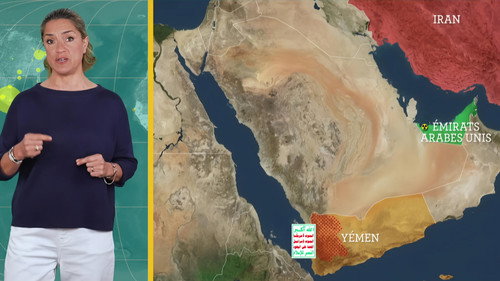
Gulf Crisis: The Emirates Targeted
Since the Israeli-American offensive, a large part of Iranian retaliation has been directed at the United Arab Emirates: 551 ballistic missiles, 29 cruise missiles, 2,263 drones… The latest attack: a strike against the Barakah nuclear power plant. This provides an opportunity to try to understand why the Emirates are particularly targeted by the Islamic Revolutionary Guard Corps.
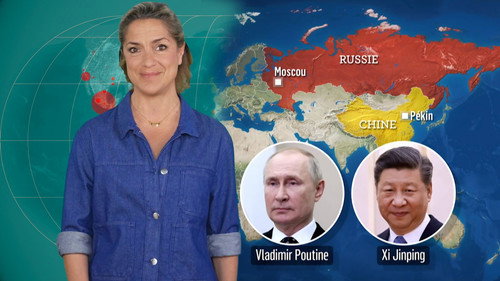
Putin in China: A Weak Friend
Xi Jinping is portraying Beijing as the center of power: After Donald Trump, he also received Vladimir Putin. The message: Nothing happens globally without China, but strategic proximity lies with Russia. While Moscow is weakened by war and crisis, Beijing's influence is growing – and the balance of power between the two partners is shifting.
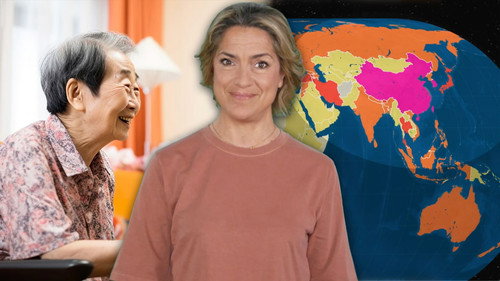
Asia: An Aging Population
Busan, South Korea's vibrant port city, is facing a demographic collapse: Since 1995, 600,000 people have left the city, and almost half of the remaining 3.2 million inhabitants are over 50. Young people are moving to Seoul – but jobs and opportunities are scarce. This is an example of Asia's rapid demographic change, which poses existential challenges for entire regions.
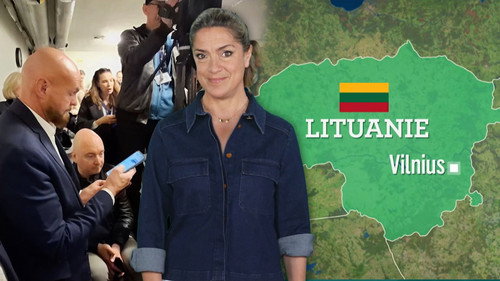
Lithuania: Air Raid Alert
In the Lithuanian capital, Vilnius, members of parliament (the Seimas) were informed via loudspeaker on Wednesday of an imminent aerial threat, prompting them to seek shelter. Residents received a message on their mobile phones. The reason was the possible incursion of drones from neighboring Belarus.
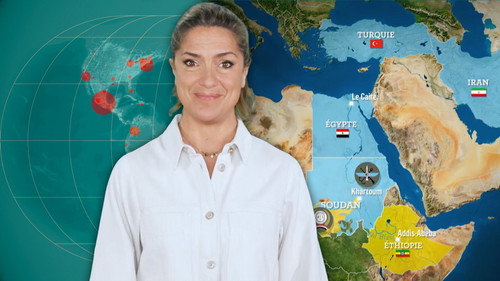
War in Sudan: The Parties to the Conflict
Don't forget Sudan: The country has been at war for more than three years. 15 million people have been displaced, tens of thousands killed – according to the UN, one of the world's largest humanitarian crises. The conflict also highlights the growing importance of drones. According to the UN, drones have killed 880 civilians in Sudan since last January.
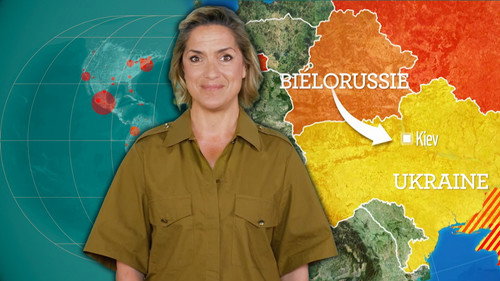
Belarus: Ukraine worried
The Orechnik hypersonic missile that struck Kyiv on Sunday was launched from Belarus. This is likely part of a new Kremlin strategy: With the Russian army bogged down in the east, it is attempting to regain the upper hand by opening a northern front with Minsk's support. Belarus, Russia's backyard, has not always been so compliant.
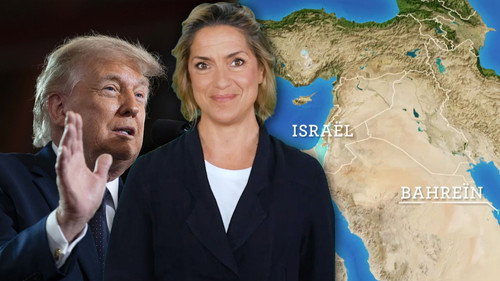
Abraham Accords: Trump, the Pope and the Catholics
In 2020, Donald Trump helped normalize relations between Israel and several Arab countries. Now, as the Middle East is shaken by multiple conflicts, the American president is demanding that Saudi Arabia, Qatar, Pakistan and Turkey do the same. A statement that disregards the reality of the dividing lines that currently run through the Middle East.
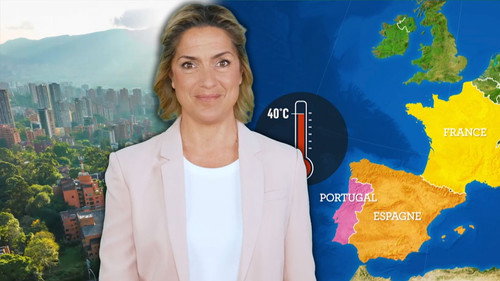
Climate: Cities and Heat
Temperature records have just been broken across Western Europe. These extreme heat waves, which are becoming increasingly frequent due to human-induced climate change, are felt even more intensely in urban areas. This presents a good opportunity to look at cities around the world that are adapting and finding solutions to lower temperatures.
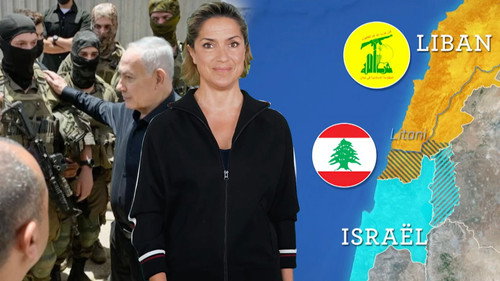
Lebanon: Is Israel Pushing Beyond the Limits?
The Israeli flag now flies over the Beaufort Castle in southern Lebanon. While Prime Minister Benjamin Netanyahu has hailed the move as a “decisive turning point,” the UN Security Council has convened an emergency meeting amid growing international criticism. France and other countries have condemned the continued military operations, with Paris stating that “nothing can justify the prolongation of Israeli military actions in Lebanon.”
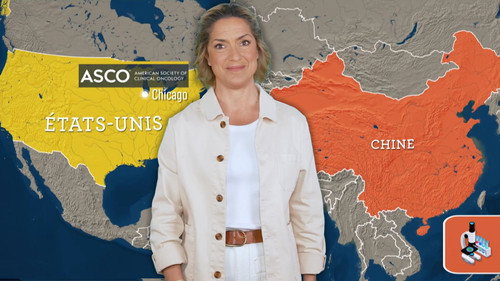
Global competition in pharmaceuticals
The annual ASCO congress in Chicago, a leading event in cancer research, highlighted U.S. breakthroughs in pancreatic cancer treatment as well as the rapid rise of Chinese biotechnology. China and India now compete directly with the United States and Europe in the global pharmaceutical market.
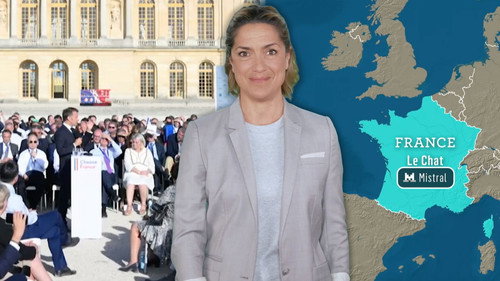
Artificial Intelligence: France Takes the Lead
If foreign investors choose France to build data centers, it is notably because of its nuclear power, which ensures cheaper electricity regardless of the international context. AI requires a lot of electricity to operate. Today, this industry sits at the heart of all geopolitical challenges. Let’s pull out our maps.
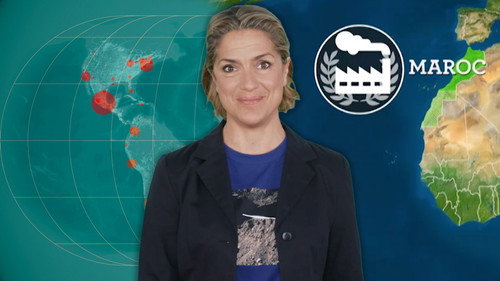
Morocco: The Continent’s Industrial Champion
According to the African Development Bank, Morocco became the continent’s industrial champion in 2026, overtaking South Africa. Positioning itself as a major port and logistics hub, the country has successfully attracted new investors and manufacturers, particularly in the automotive and aerospace sectors. This provides an opportunity to better understand Morocco’s strategy of international openness and integration, from the reign of Hassan II to that of Mohammed VI.
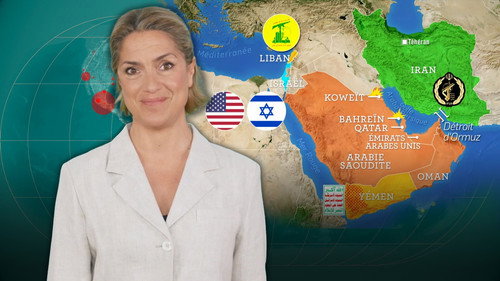
Middle East: 100 Days of War
Despite the "ceasefire" between the United States and Iran, the situation seems to be slipping out of Donald Trump's control: Israel continues to strike Beirut’s southern suburbs, Hezbollah continues to launch rockets and drones at northern Israel, Iran fires ballistic missiles at the Jewish state, which in turn strikes Iran again in response... The Middle East has rarely appeared more unstable.
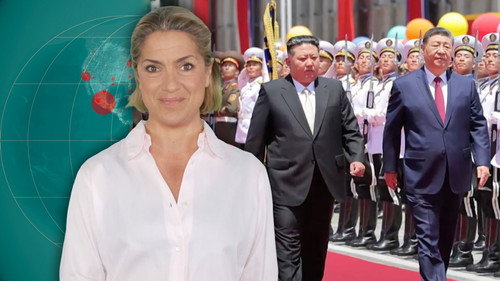
Xi Jinping, Kim Jong-un: an alliance of mutual interest
Xi Jinping’s visit to North Korea serves several purposes: to showcase China’s diplomatic power, but also to remind Vladimir Putin that the Pyongyang-Moscow alliance, strengthened in the context of the war in Ukraine, must not overshadow the Pyongyang-Beijing relationship. For his part, Kim Jong-un benefits from playing both sides - Russian and Chinese.
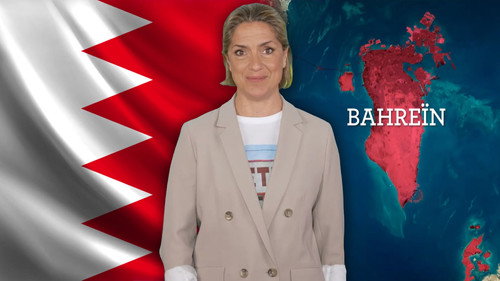
Bahrain: The End of Calm
Following the destruction of an Apache helicopter, Donald Trump decided to strike Iran once again. Iran, in turn, targeted several countries in the region, including Bahrain. This discreet Gulf monarchy has hosted the US Fifth Fleet for years, something long seen as its “life insurance.” But today, on the contrary, Bahrain is no longer spared from war.
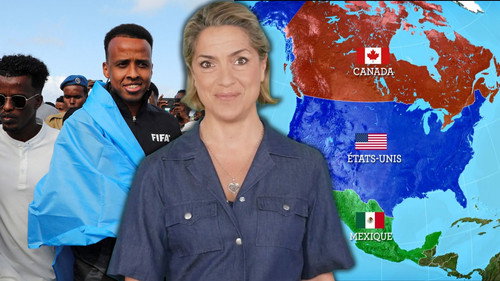
FIFA World Cup 2026 - Sport and Geopolitics
Despite meeting all U.S. entry requirements, World Cup referee Omar Artan was denied entry and returned to Somalia, a country previously described by the U.S. president as a terrorist haven. The 2026 World Cup is already unlike any other, as the celebration of sport cannot escape major geopolitical tensions.
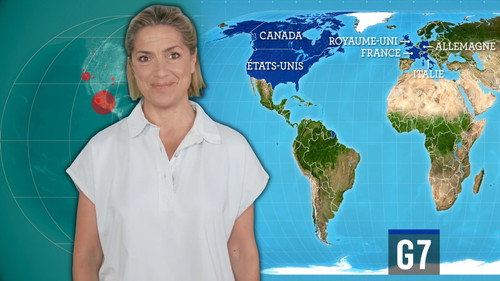
G7 Summit: In What Context?
As the G7 gathers in Évian, leaders aim to address major global crises and support efforts to end ongoing conflicts. Discussions include a planned U.S.-Iran agreement expected to be signed in Geneva. At the same time, questions remain over whether regional ceasefires will hold and whether the G7 still has the influence needed to help resolve today’s most pressing international challenges.
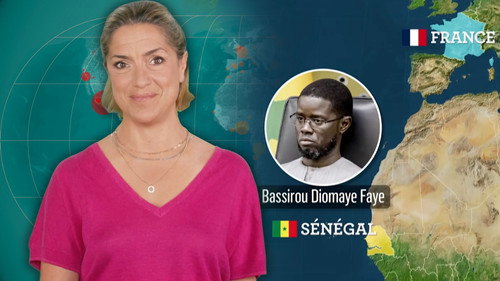
France-Senegal: A Changing Relationship
In Senegal, Prime Minister Ousmane Sonko, a leading advocate of stronger national sovereignty, was dismissed by President Bassirou Diomaye Faye, once his close ally. Unlike the governments of Mali, Niger, and Burkina Faso, Faye has not pursued a public break with France. Even so, relations between Paris and Dakar are evolving. Let's take a closer look.
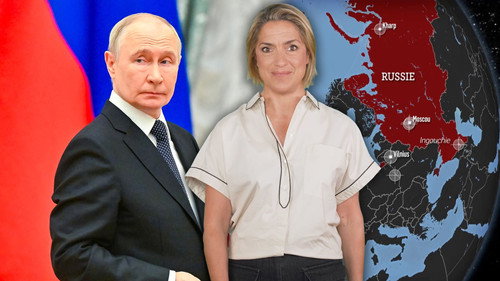
Political Assassinations: Putin’s Version of Warfare
Semion Skrepetski, a Russian cartoonist who criticized Putin’s regime, was shot dead in Poland on June 15. Polish authorities have since arrested two Belarusian suspects believed to have acted on behalf of Russia or Chechnya. This provides an opportunity to map some of the political assassinations allegedly carried out by the Kremlin across the former Soviet region and Europe.
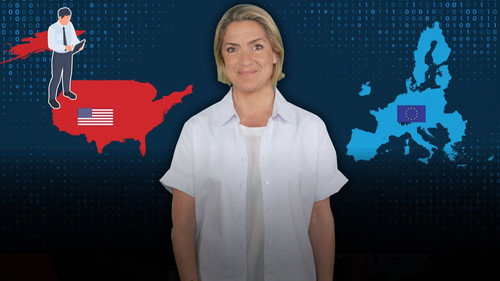
American technology: are Europeans dependent?
At the Vivatech show, India and Europeans are displaying a common ambition: to counterbalance Chinese and American domination. Because, as the Trump administration's decision to reserve Anthropic's most sophisticated AI services for Americans only, Europeans are cruelly dependent on American technology and politics.
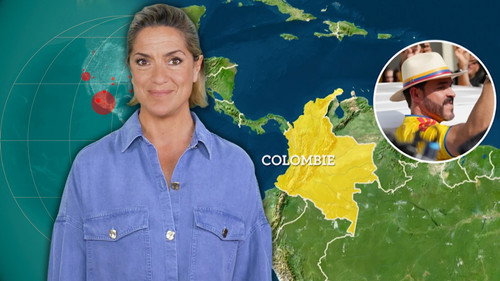
Latin America’s Shift to the Right
Will Abelardo de la Espriella reshape Colombia’s future? The right-wing politician has gained attention with promises of mega-prisons, air strikes on drug-trafficking camps with support from Israel and the United States, and major cuts to public spending. His rise reflects a broader trend as political dynamics across Latin America continue to shift rightward.
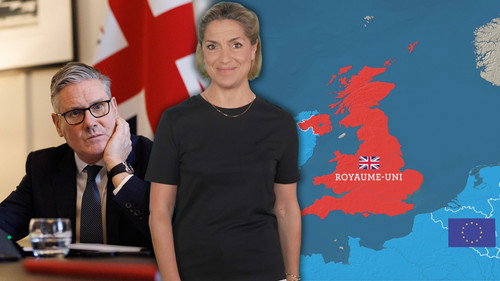
United Kingdom: Political Instability
With Keir Starmer ‘s resignation, British politics is still unstable after six prime ministers in the ten years since the Brexit vote. Starmer’s sucessor could well be Andy Burnham, the popular former Mayor of Manchester, nicknamed 'the King of the North'.
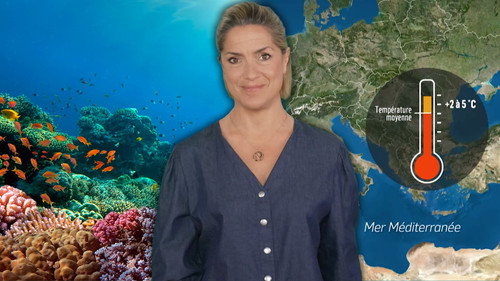
Heatwave: the effect on the seas
Europe is going through a historic heatwave on land, but also at sea, with temperatures 2 to 5 degrees above average: these days, 20°C has been recorded in the English Channel off Dunkirk, 23°C in the Bay of Biscay; 19°C in Lübeck, on the Baltic; between 25 and 27°C in Nice… An overheating of the seas and oceans with serious consequences.
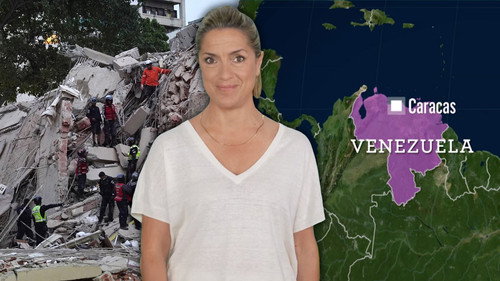
Earthquake in Venezuela: A Country Under Pressure
Venezuela is facing one of its strongest earthquakes in more than a century, adding to an ongoing political and economic crisis. Months after the U.S. capture of former President Maduro, democratic transition and economic recovery remain stalled. How are these overlapping crises reshaping the country's future?
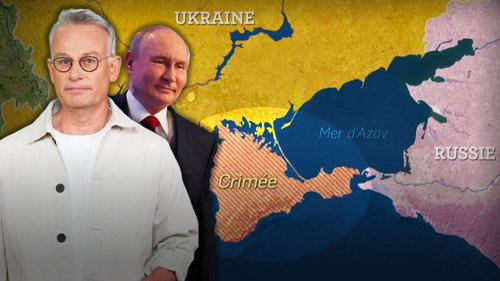
Crimea: Strategy of Isolation
Moscow: Putin delivered a speech ahead of the parliamentary elections in September. In it, he made a rare admission that the country was facing problems. And with good reason: Ukrainian drones had once again struck Russian territory. Through air strikes - particularly on the Crimean Peninsula - Kyiv aims to cripple the Russian economy and force Putin into negotiations.
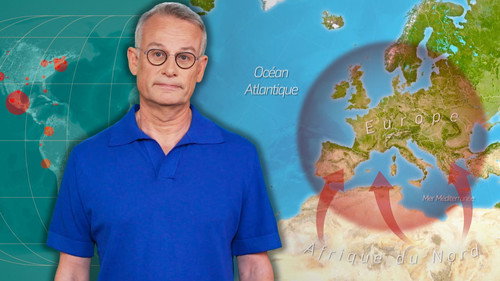
Europe: Why the Heatwaves Are Intensifying
After western Europe, extreme heat has spread east, with record temperatures triggering maximum alerts across several countries. According to the IPCC, Europe has warmed about twice as fast as the global average since pre-industrial times. What is driving these increasingly intense heatwaves?
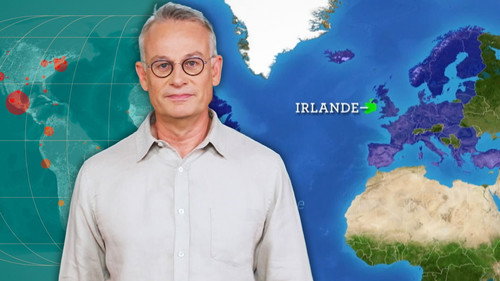
Ireland: Setting the Course
Ireland is assuming the EU presidency for six months. There is no shortage of crucial issues: economic recovery, the new migration pact, ties with Washington... and, of course, security. For Ireland—long proud of its neutrality and pacifism (Dublin spent just 0.2% of its GDP on defense)—no longer feels secure following the Russian invasion of Ukraine.
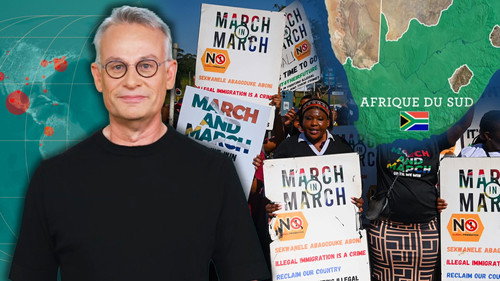
South Africa: Migration as a Political Target
South Africa has seen renewed waves of xenophobic protests, with tensions remaining high despite a relatively calm demonstration on June 30. The country has faced recurring anti-migrant violence for two decades, and political parties - including allies of former President Jacob Zuma - are using the issue to strengthen their position ahead of local elections.
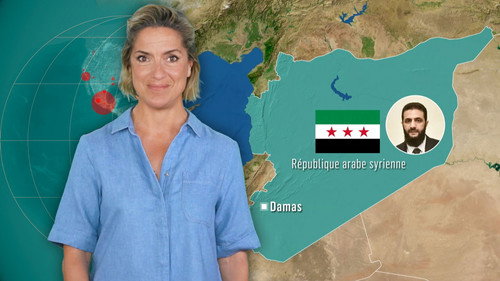
Syria: A new chapter?
While much of the Middle East remains unstable, Syria has entered a new political phase following the fall of Bashar al-Assad. Under interim leader Ahmed al-Sharaa, the country is drawing renewed international attention. What opportunities and challenges could shape Syria's future?
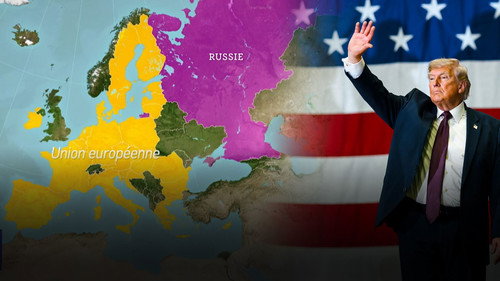
Can Europe defend itself without the United States?
As doubts grow over long-term U.S. security commitments and Russia remains a major threat, European countries are increasing defense spending and strengthening military cooperation. How dependent is Europe on the United States, and what would greater strategic autonomy look like?
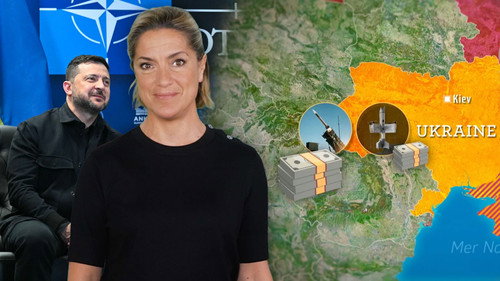
What can Ukraine contribute to Europe's defense?
Despite sustained attacks, Ukraine has demonstrated remarkable military resilience and developed extensive battlefield expertise. President Volodymyr Zelenskyy says these capabilities could significantly strengthen NATO if Ukraine were to join the alliance. What can Europe learn from Ukraine's defense experience?
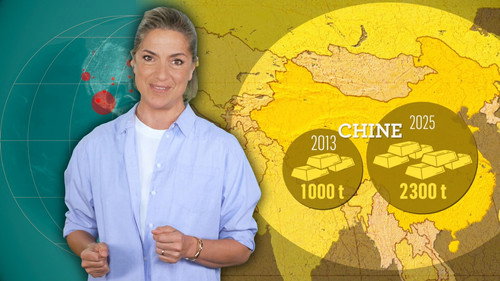
Why do countries hold gold reserves?
Around 30 tonnes of Venezuelan gold remain frozen at the Bank of England under sanctions. Venezuelan authorities say they want to use the assets for earthquake relief and reconstruction. Beyond this case, why do many countries maintain large gold reserves, and what role do they play?
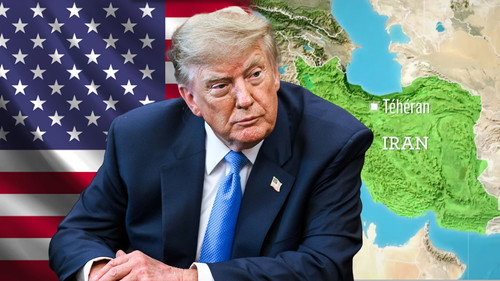
Why Iran Is Not Losing the War Against the United States
Despite Donald Trump’s threats, Iran continues to rely on China and Russia for oil purchases and military supplies amid tensions over the Strait of Hormuz. Tehran has reportedly rebuilt part of its drone arsenal, highlighting how a seemingly calm summer proved short-lived.
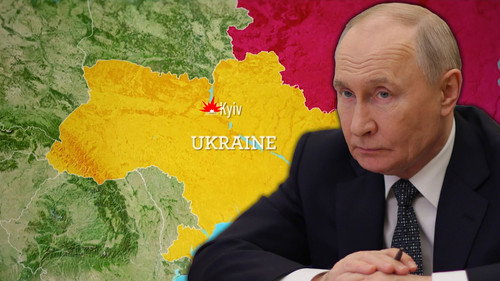
Russia Strikes Back
A weakened Russia is intensifying attacks on Kyiv, while Ukrainian intelligence warns of a possible invasion plan from the Belarusian border. Meanwhile, a Russian lawmaker has openly called for the use of tactical nuclear weapons. Whether credible in the short term or not, these threats reflect a weakened Russia fighting back.
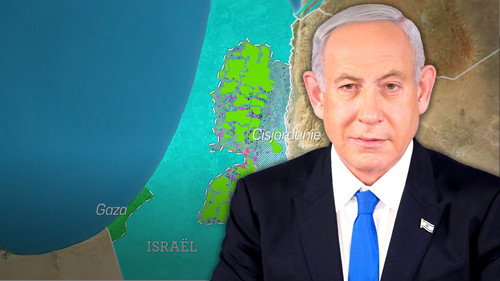
West Bank: Escalation Ahead of the Election
Israel's governing coalition under Prime Minister Netanyahu holds 64 of 120 Knesset seats, but polls suggest it may lose its majority in the upcoming parliamentary election. Beyond the result lies a key question: could a change in coalition alter Israel's policy toward the Palestinians and international law?
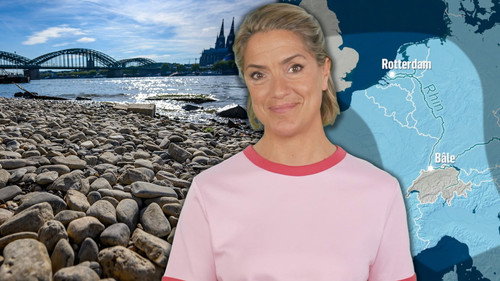
Europe’s Rivers: The Impact of Drought
In Romania, the Cernavodă nuclear power plant, which supplies 20% of the country’s electricity, was shut down because of the low water level of the Danube. More broadly, all European waterways are being affected by the heatwaves and droughts the continent has recently experienced. The Loire, Po, and Rhine are at red alert level. Yet Europeans cannot live without their rivers.
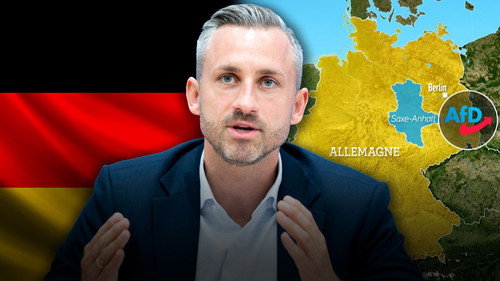
Why Is the AfD Dominant in Eastern Germany?
The far-right AfD has won the state election in Saxony-Anhalt, reflecting a historic political shift. The party advocates deportations of people without legal residence, ending public funding for Holocaust remembrance and closer ties with Russia. Its victory was driven by Ulrich Siegmund, who campaigned on nostalgia for East Germany.
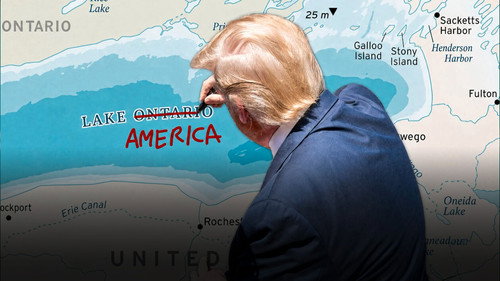
Trump’s Cartographic Provocations
Amid a trade dispute with Canada, Donald Trump proposed renaming Lake Ontario “Lake America.” His team had already published maps depicting Canada as a possible 51st US state, as well as Greenland. Trump uses cartographic provocations when reality fails to match his ambitions.
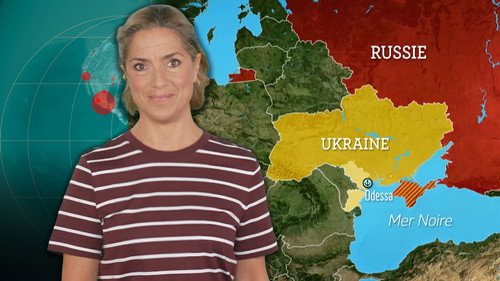
Why the Black Sea Is at the Heart of the Russia-Ukraine War
Since 2022, Vladimir Putin has sought to cripple Ukraine’s economy and regain control of its ports, echoing the Soviet era. In recent weeks, the Black Sea and Odesa region have once again become central to the war.
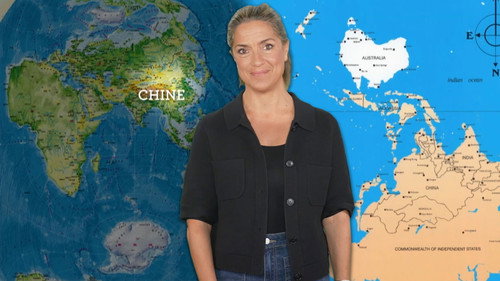
Can the world agree on maps?
The UN has adopted a resolution encouraging world maps that better reflect the true size of continents, especially Africa. Introduced by Togo on behalf of the African Union, it passed almost unanimously, with only the US voting against. Can the world still agree on universal standards that respect geographical realities and international borders?
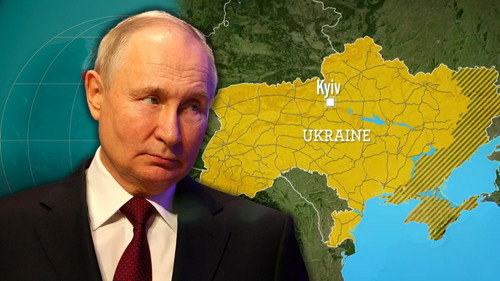
Why is Putin attacking Ukrainian trains?
A Russian drone struck a locomotive at Yahodyn station, near the Polish border, shortly after passengers had left following an air-raid alert. They were unharmed. Shortly before, a diplomatic train carrying European officials and other Western figures had passed through. Experts believe the attack was intended to intimidate and deter Western support for Ukraine.
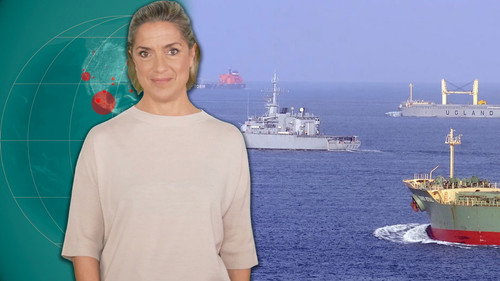
Strait of Hormuz and Bab el-Mandeb: Two Strategic Chokepoints Under Tension?
Hormuz carries around 20% of global oil traffic in peacetime and has become central to tensions between the United States and Iran, driving up oil prices. Meanwhile, the Houthis in Yemen threaten Bab el-Mandeb, another vital Red Sea passage.
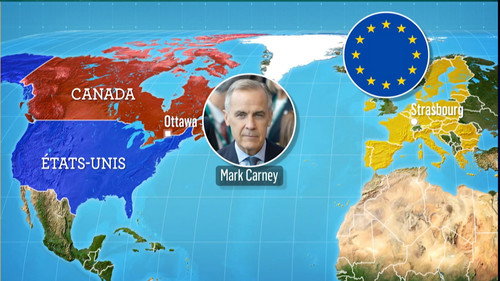
The EU’s political season begins with the Canada card
As Europe faces daily provocations from Vladimir Putin and shifting US strategies, Canadian Prime Minister Mark Carney addressed the European Parliament in Strasbourg. Why is the EU turning to Canada, and what challenges lie ahead?
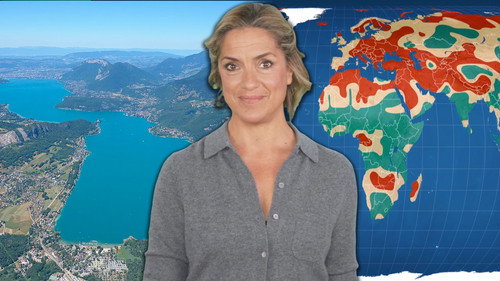
Why Are Freshwater Reserves Running Out?
The world’s freshwater stocks are under growing pressure. The World Meteorological Organization warns that the water cycle is becoming more irregular and unpredictable. Climate change is a key factor, but excessive water extraction is also depleting reserves. Lake Annecy illustrates the growing stress on water resources.
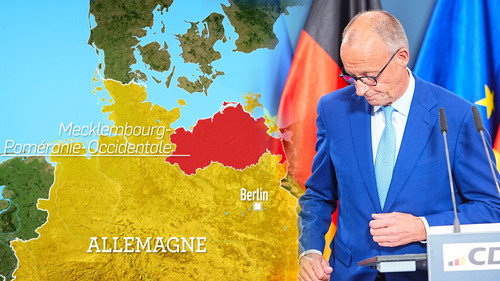
Germany in Transition: A Changing Political Landscape
Germany is undergoing profound political change. After the far-right AfD won the election in Saxony-Anhalt on 6 September, voters went to the polls in Berlin on Sunday. The far-left Die Linke came out on top, ahead of Chancellor Friedrich Merz’s CDU, while the AfD made significant gains. In Mecklenburg-Western Pomerania, the AfD narrowly came first, with the Social Democrats just behind; the AfD had doubled its 2021 result. Two state elections that reflect a Germany in the midst of profound political and social change.